Portable Shadows
2024Collaboration
Directed and conceptualized by Liz Teston and Ria Bravo, who collaborate on projects under the name The Insiders Alliance (TIAs).
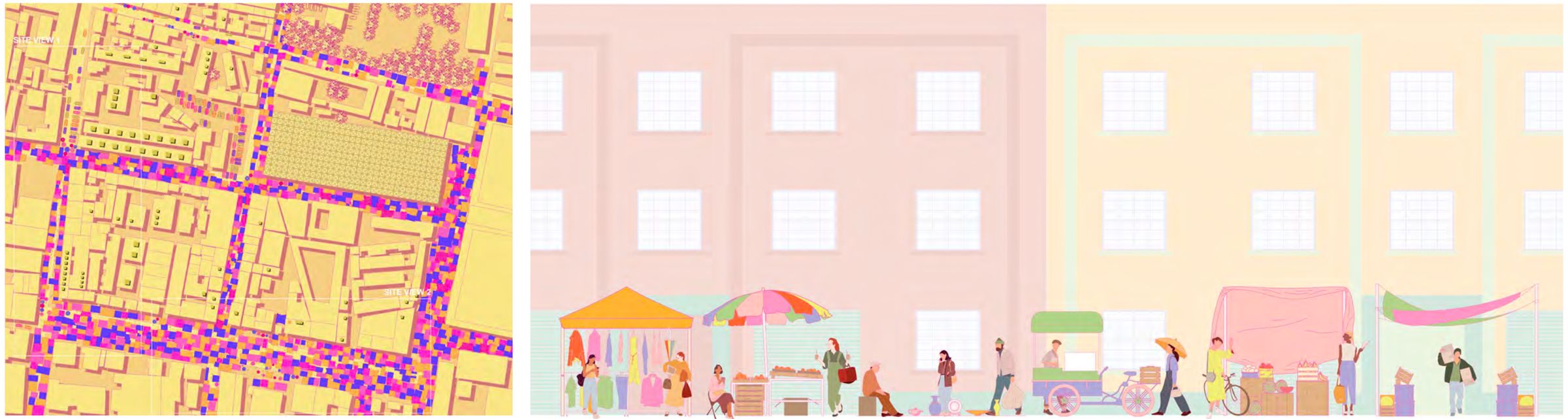
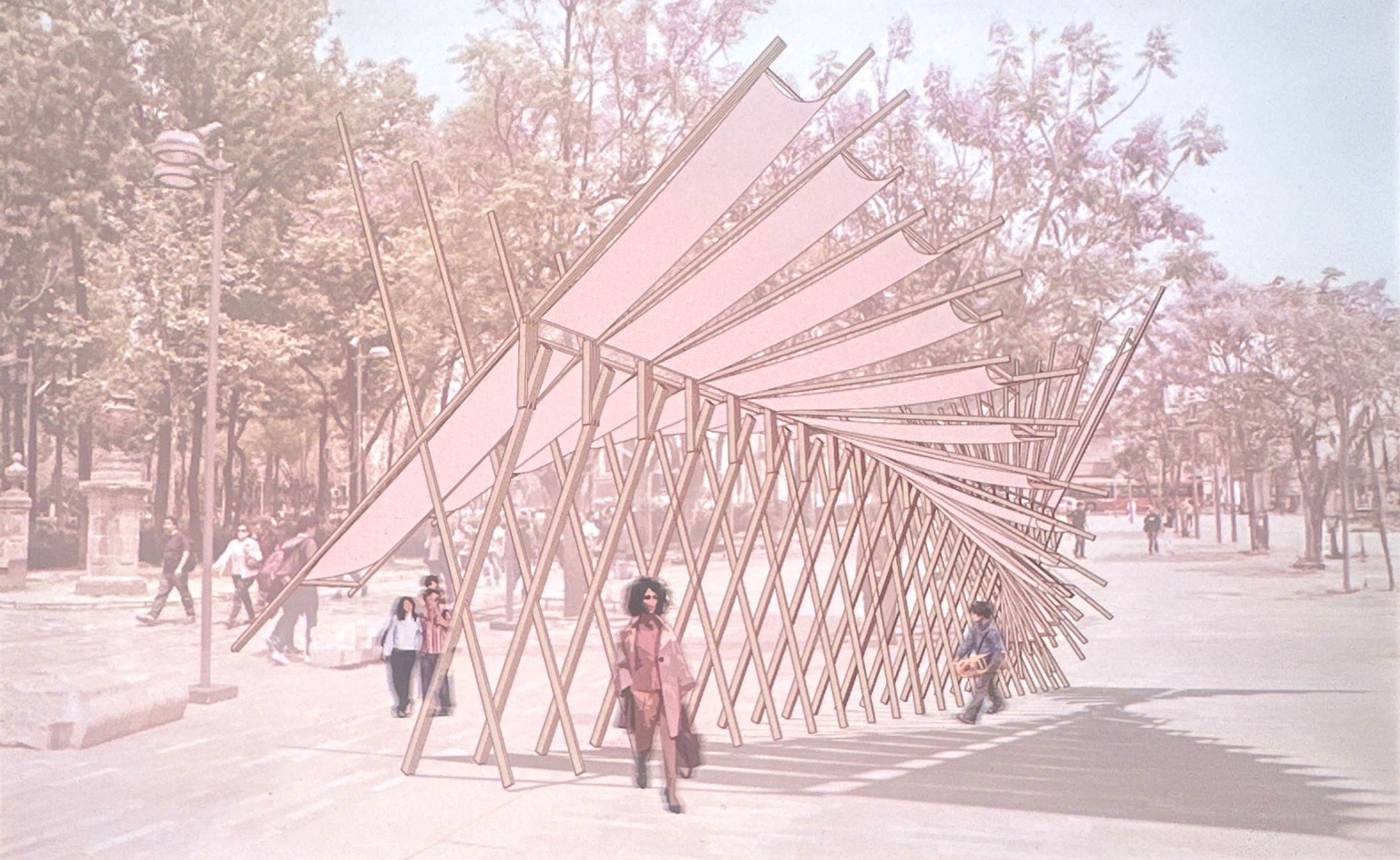

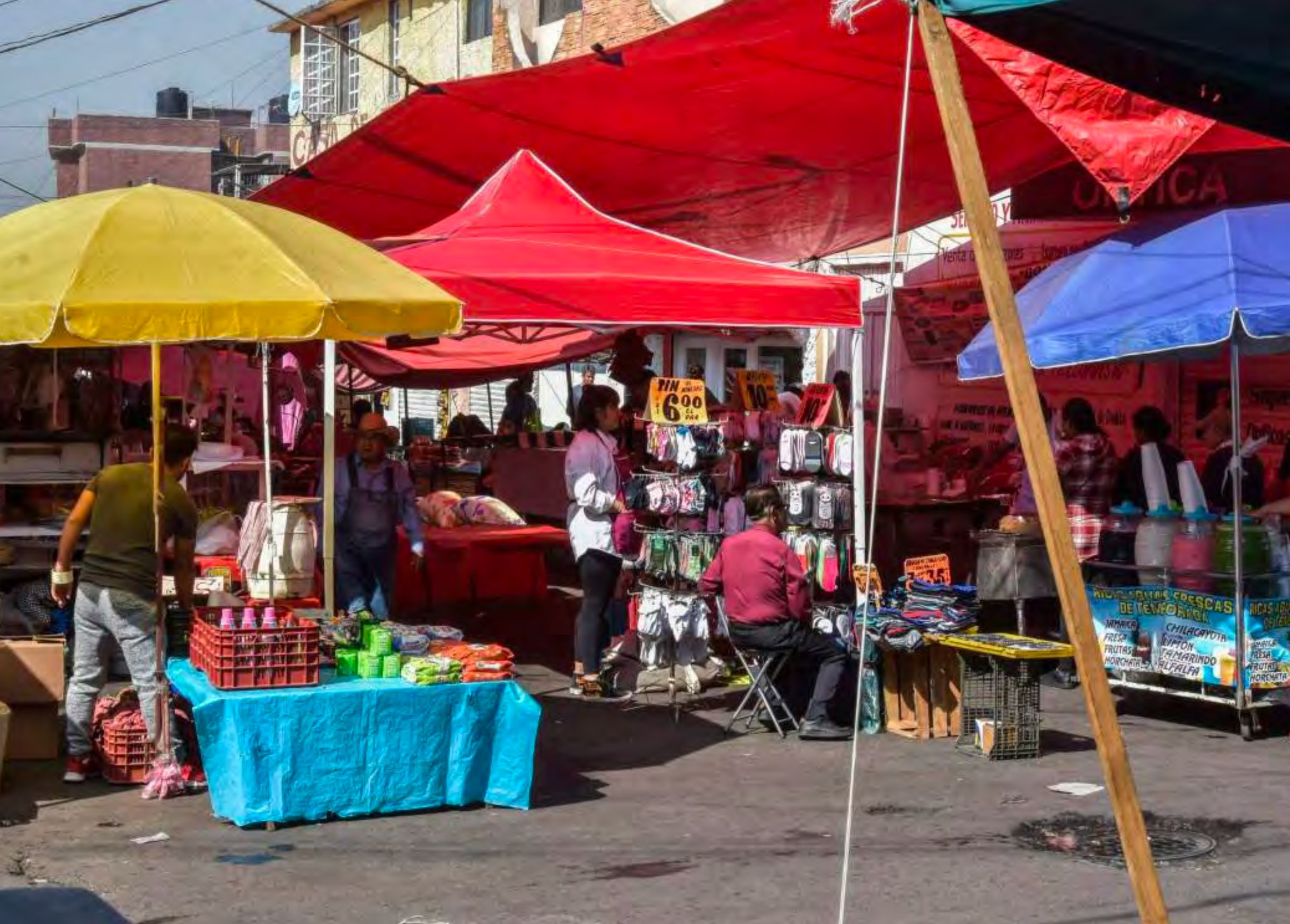
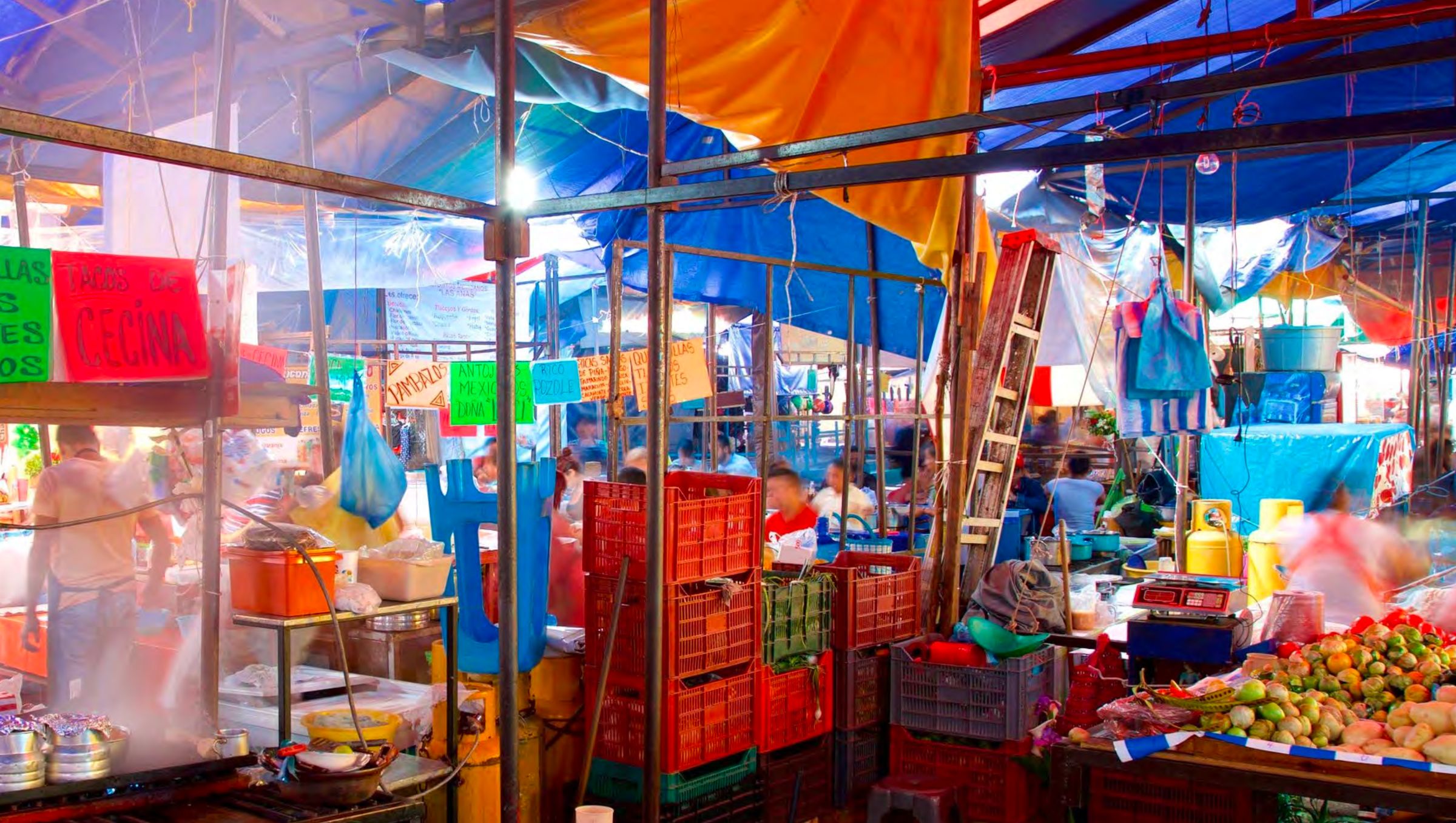
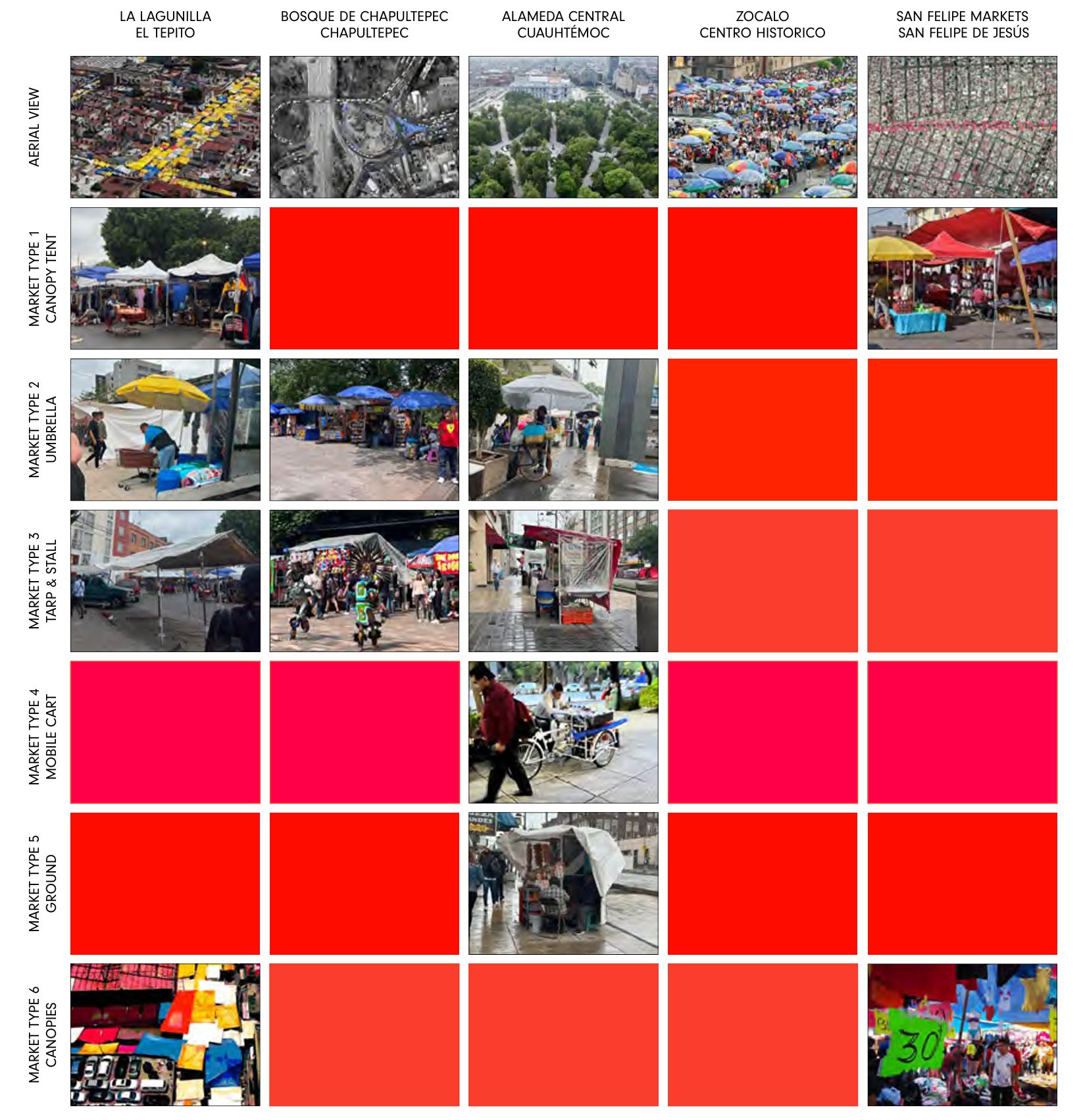
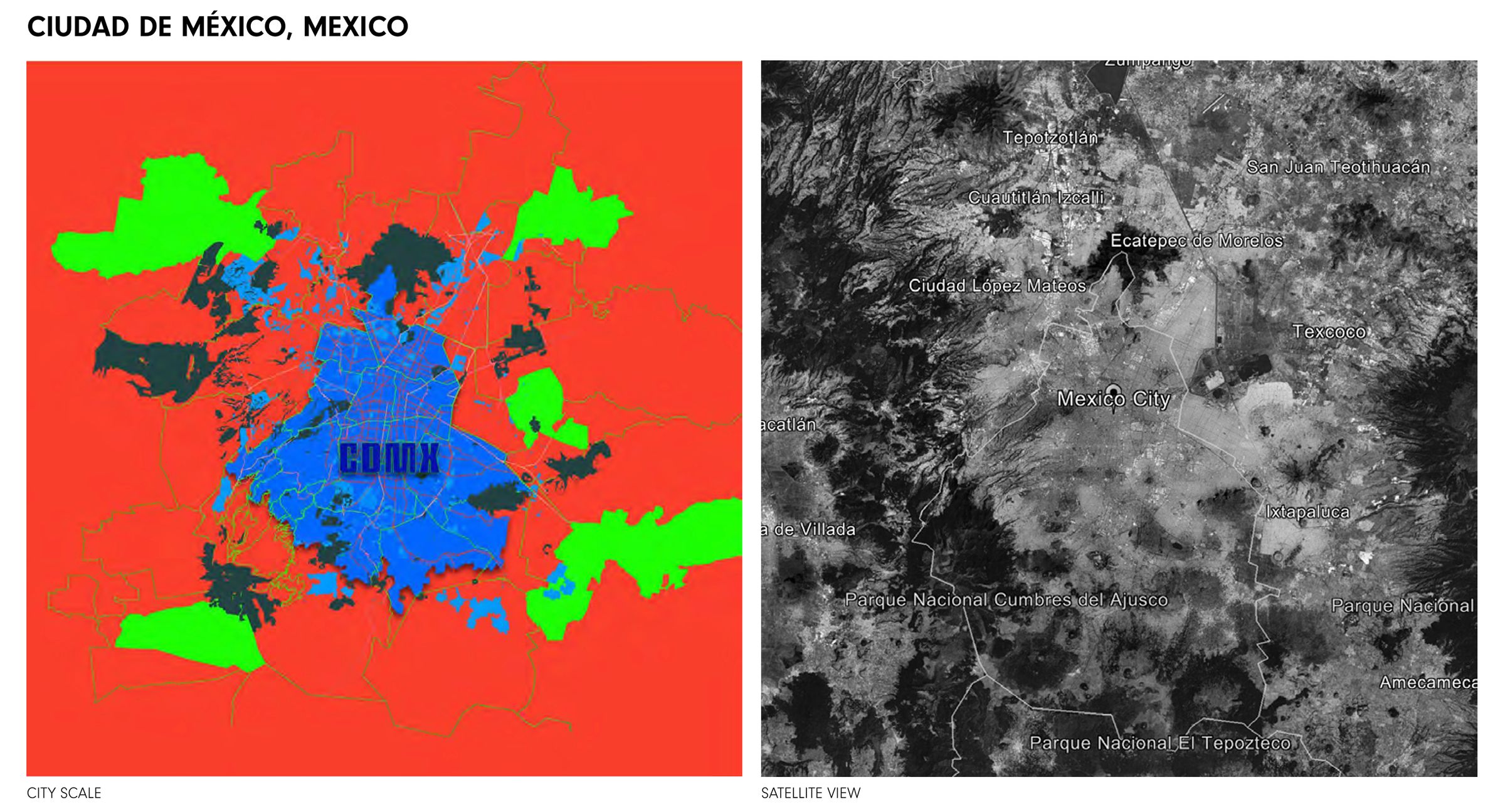
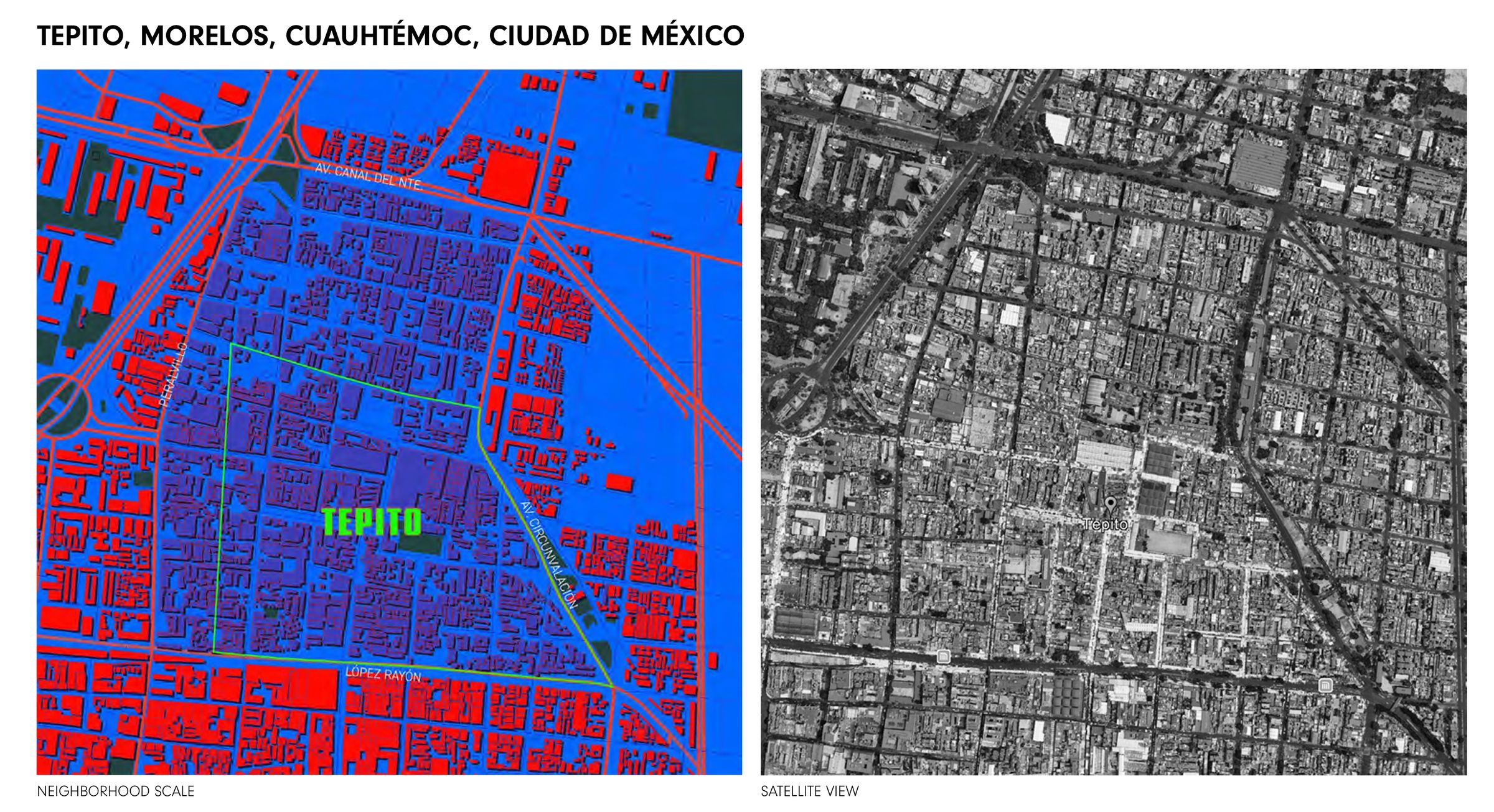
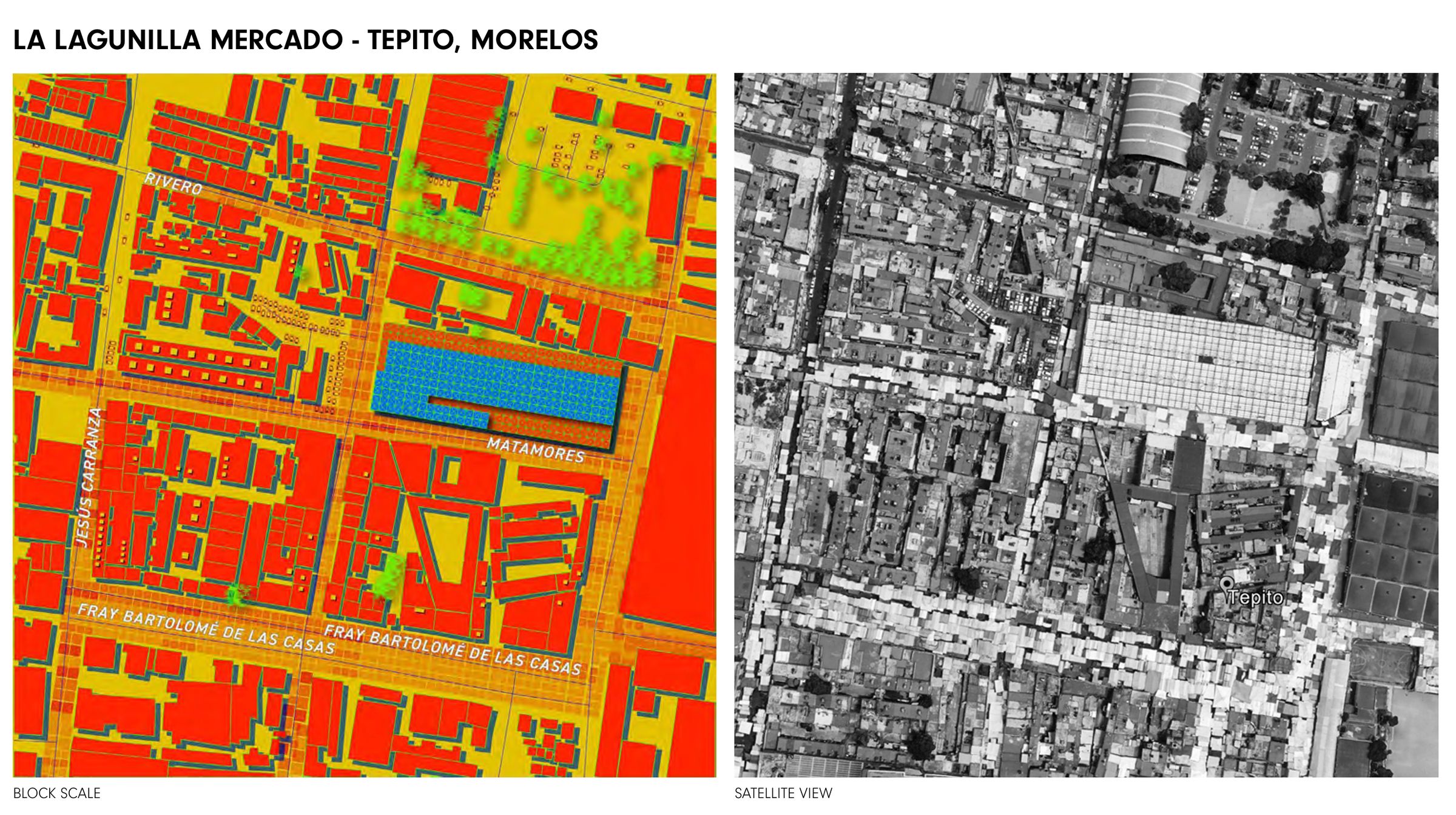
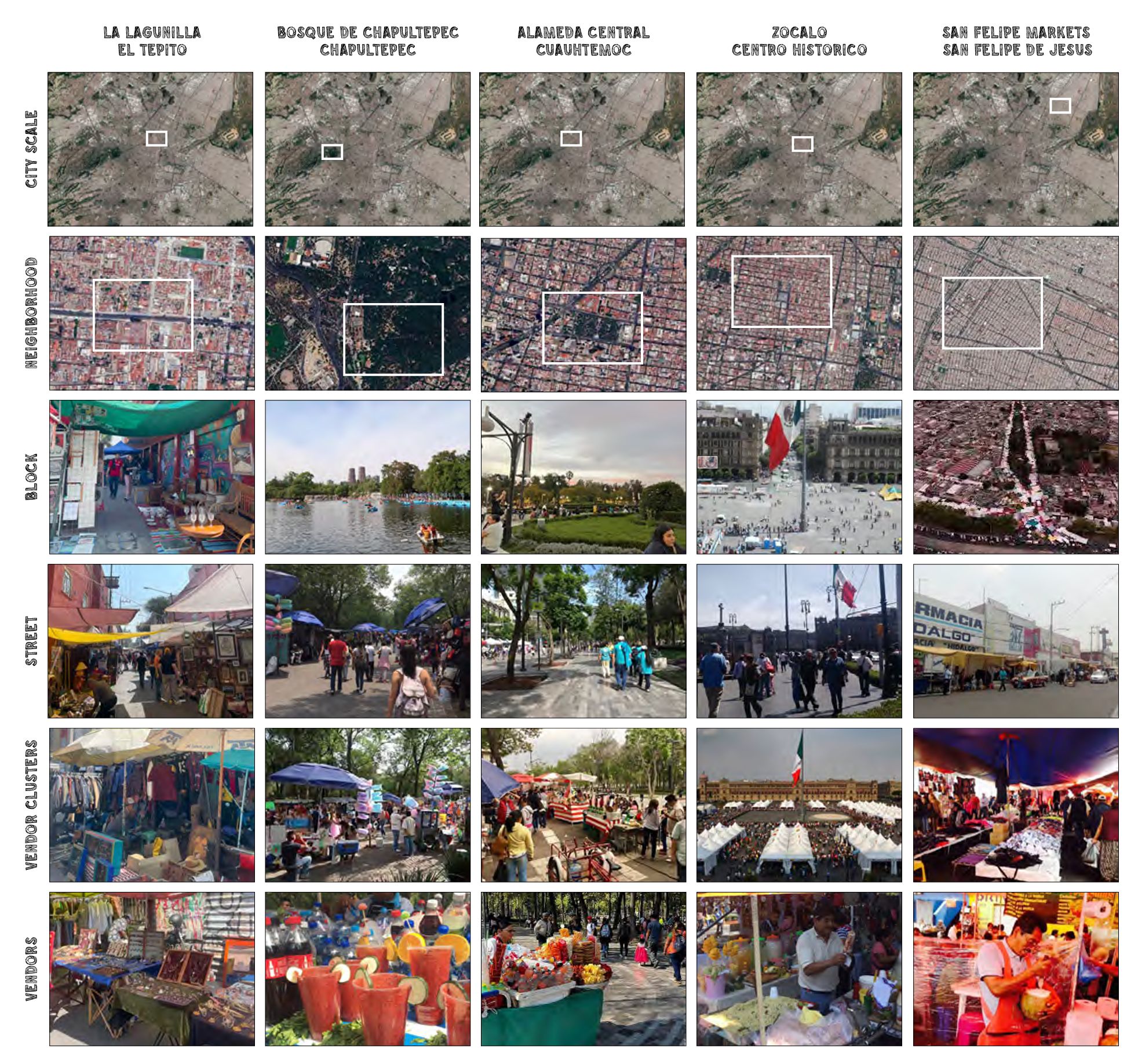
Portable Shadows is an environmental installation that creates a flexible, resilient, interior-like exterior using atmospheric stimuli and everyday materials like tarpaulin from Mexican markets. The installation creates shadows, color fields, microclimates, and intricate patterning, and offers lightweight, self-sustaining prototypes that function as transportable interior realms of solar respite. This is an in-progress urban-scale research and interiors project—directed and conceptualized by Liz Teston + Ria Bravo, who collaborate on projects under the name: The Insiders Alliance (TIAs).
Portable Shadows examines the vibrant street markets of Mexico City—known as tianguis —as dynamic case studies for rethinking public space through the lens of interior design. Against the backdrop of the U.S. Surgeon General’s 2023 report on the epidemic of loneliness and isolation, this project argues that cities must urgently reimagine public environments as spaces of social connection and collective care. Drawing from Teston’s concept of public interiority, the research proposes that the tianguis function as urban living rooms—ephemeral, body-scaled environments where everyday life, commerce, and community converge. These spaces resist the binary of public and private by blending domestic rituals with civic participation, offering a model of togetherness that is flexible, sensory, and deeply inclusive.
Through field documentation, typological drawing, and theoretical framing, the project identifies six key tent and stall typologies—ranging from umbrella stands to layered tarps—that structure these informal interiors. Rather than viewing these structures as chaotic or peripheral, the research reveals a spatial intelligence embedded in their adaptability, rhythm, and relational logic. These temporary architectures not only activate underutilized urban space, but also democratize access to the city—especially for women, elders, migrants, and informal workers. By treating the tianguis as living infrastructures of care and connection, the project calls on designers to reimagine public space as a site of intimacy, participation, and cultural continuity.
Grants
Division of Student Success Departmental Research Assistant Grant