Las Vegas
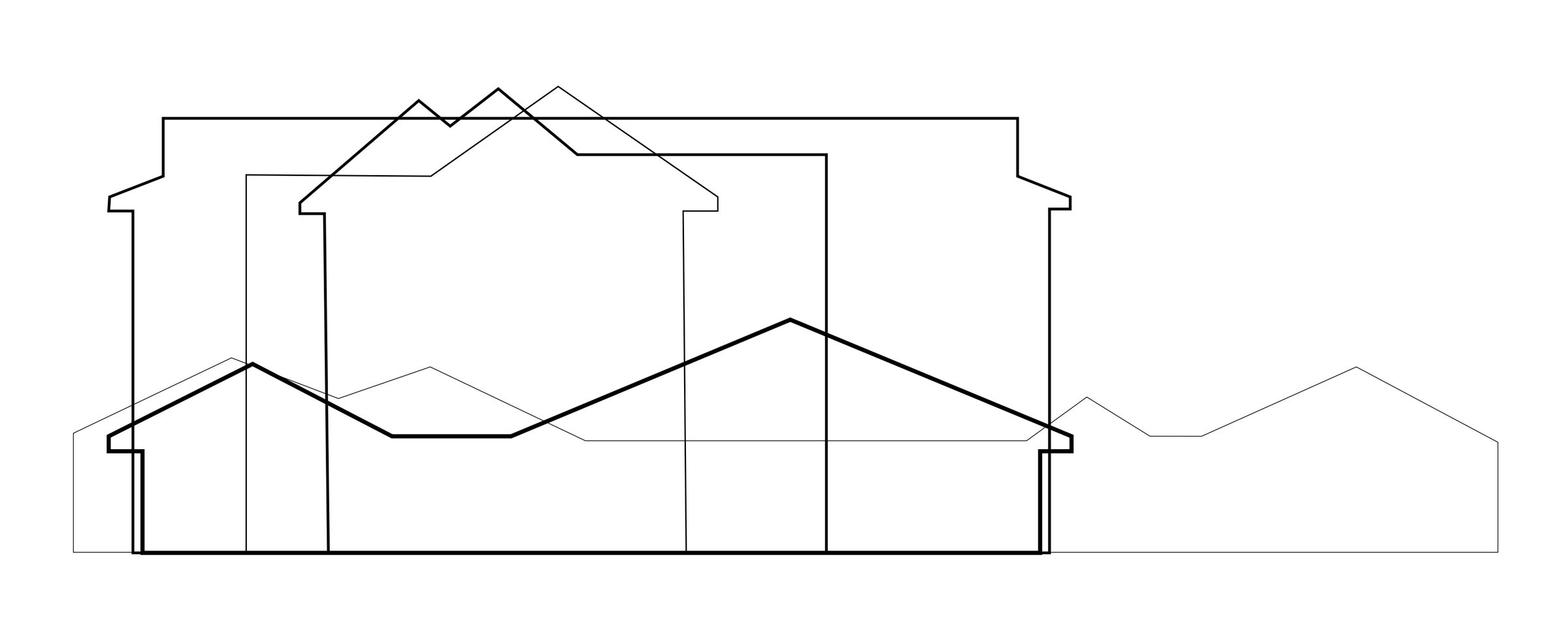
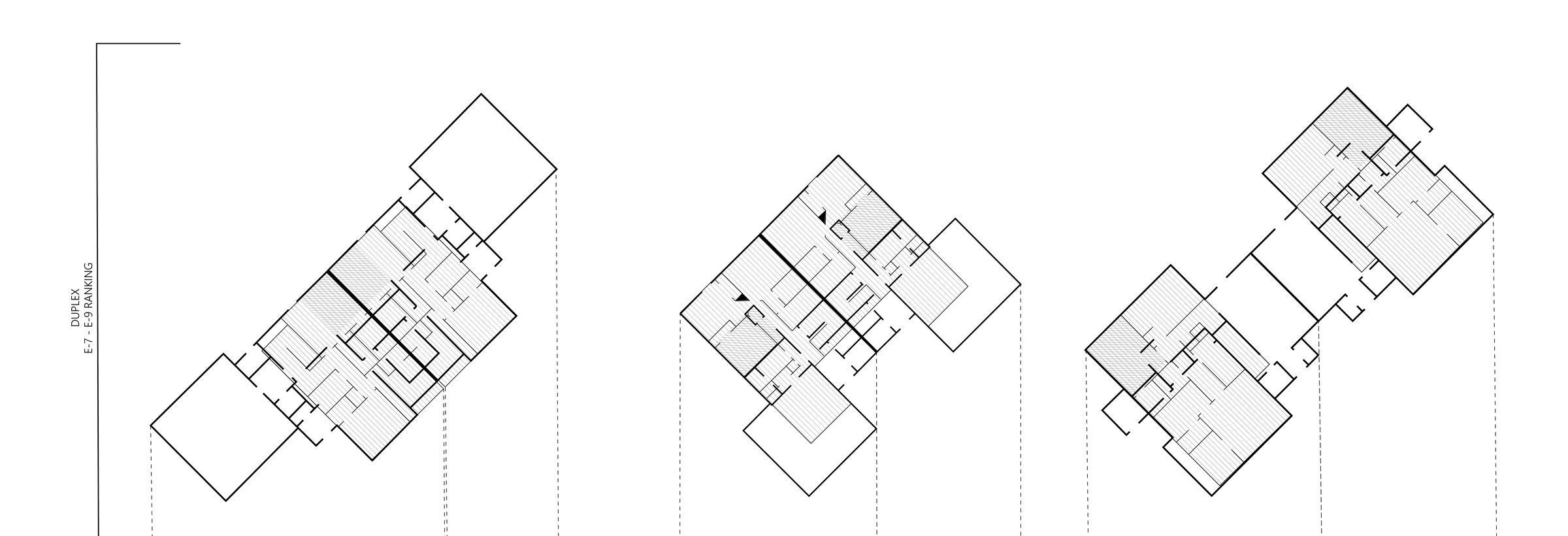
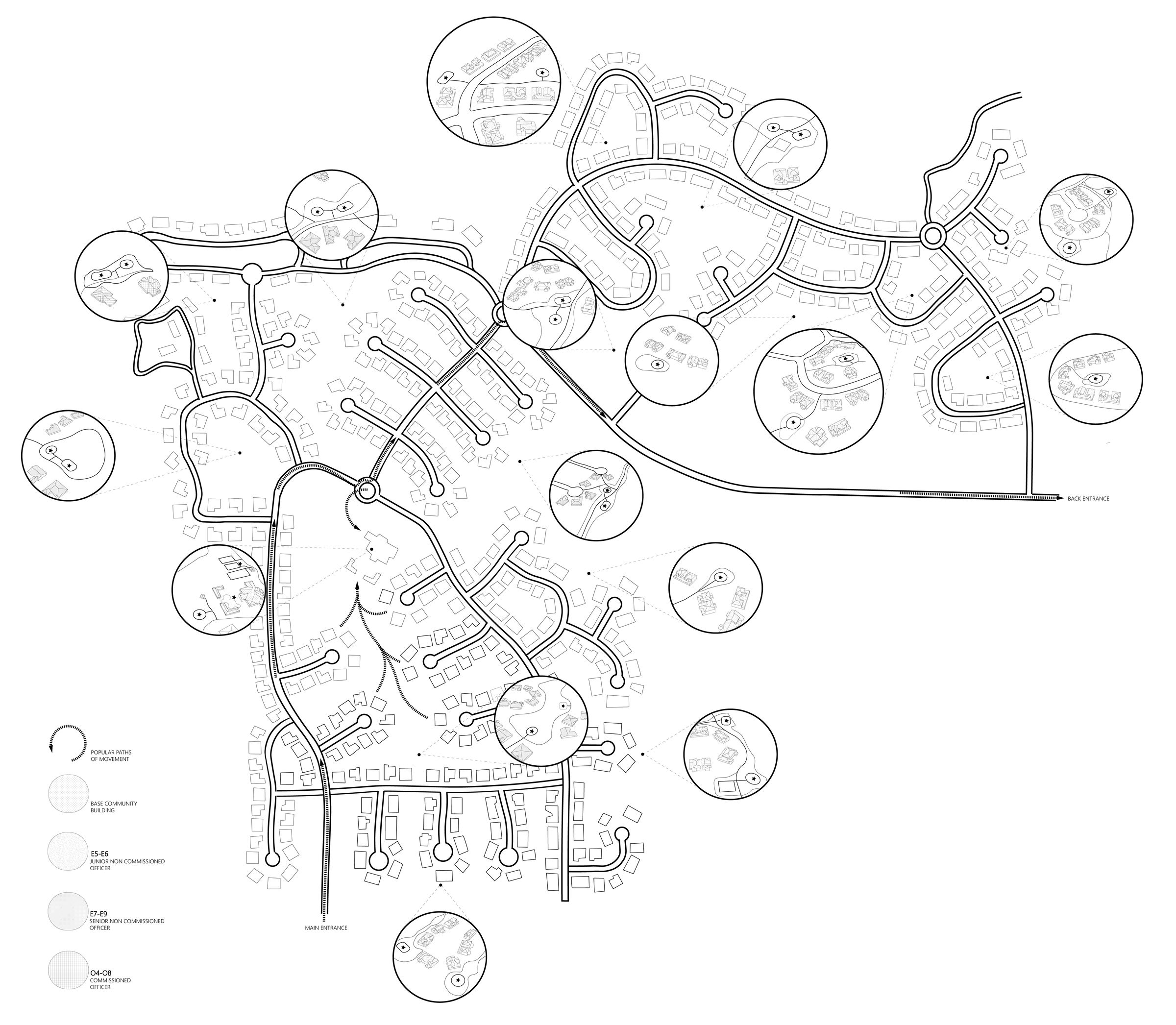
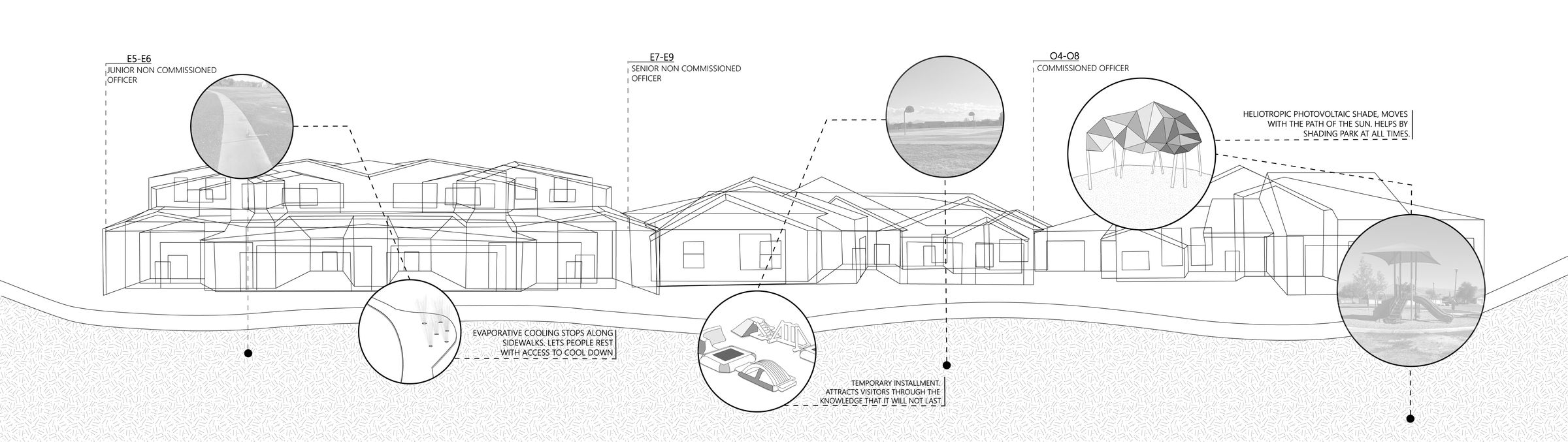
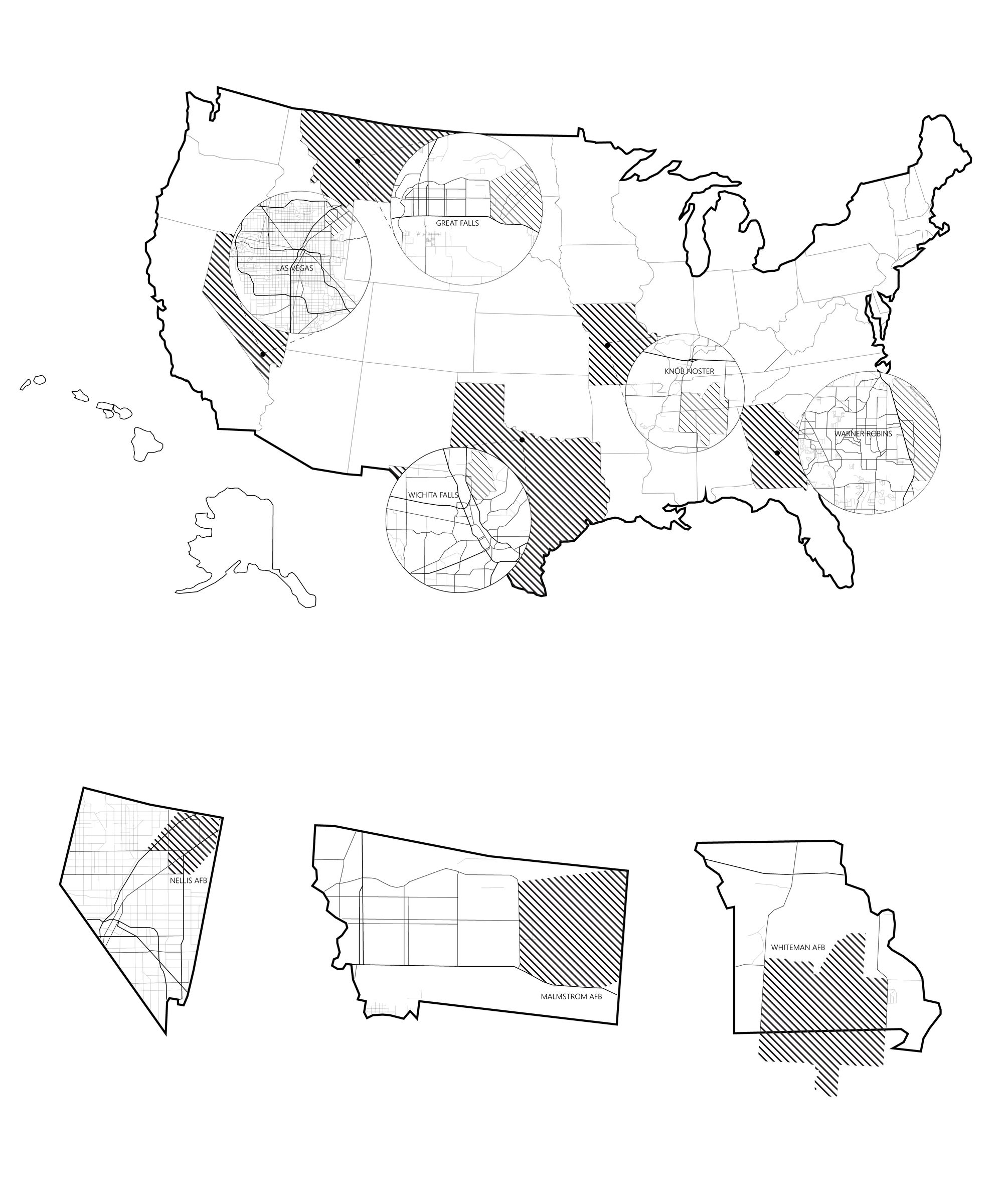
The Las Vegas Case Study interrogates the conditions of interiority on US military bases. Centralized planning groups drive all master planning decisions on American military bases, so there is little differentiation between each base's form, material, or organization. Following Attiwill’s theory that interiority is generated from temporary consistencies within spaces of rapid flow or stasis, we posit that exterior spaces of military bases are conditions of infrastructural and politicalized interiority. Defying this institutional structure, children living on base often reappropriate everyday landmarks and exterior places to make their own public interiorities—slowing down time and movement through stabilization and self-generated arranged play. For example, the front yard utility boxes establish an invisible interior zone—vibrating, fleeting, and haptic (invisible to institutional eyes, yet, for a child, visible enough to constitute a landmark). This contrasts with the static top-down designs of the vacant common spaces. This case study explores this naïve political détournement, composed and delineated by kids in military families. The study compares these settings to spatial theories on autonomy and explores the relationship between independence, control, childhood, and political interiority.
Dissemination
L. Teston and S. Parsons, “The Politics of Public Interiority: Military Domestic Life as a Metaphorical Interior.” Presentation at Interior Design Educators Council Annual Conference, New York, NY.
“Public Interiority in America.” Exhibition at Romanian National Library, Bucharest, Romania. [June 21–24, 2022]
Grants
Division of Student Success Departmental Research Assistant Grant