Knoxville
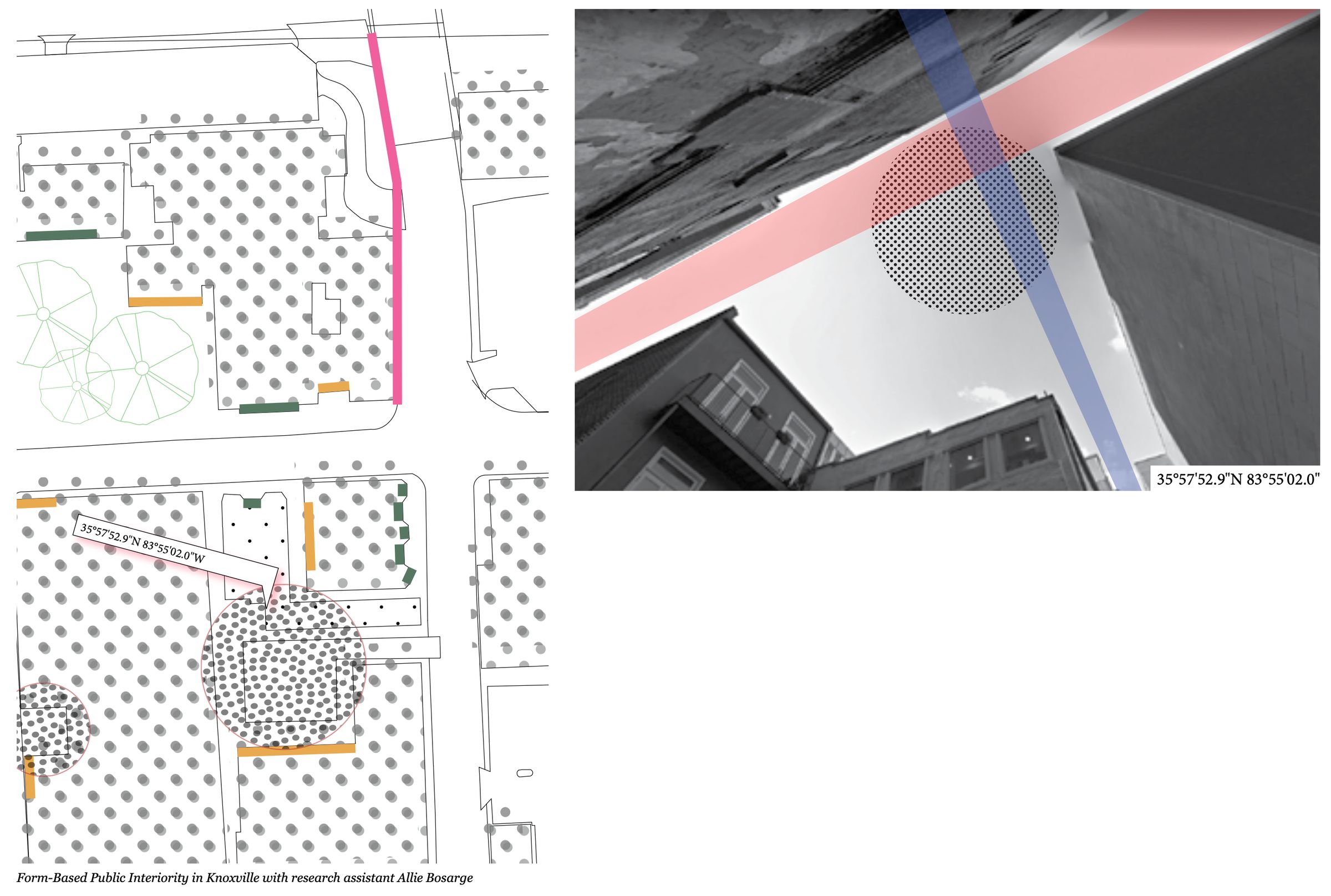
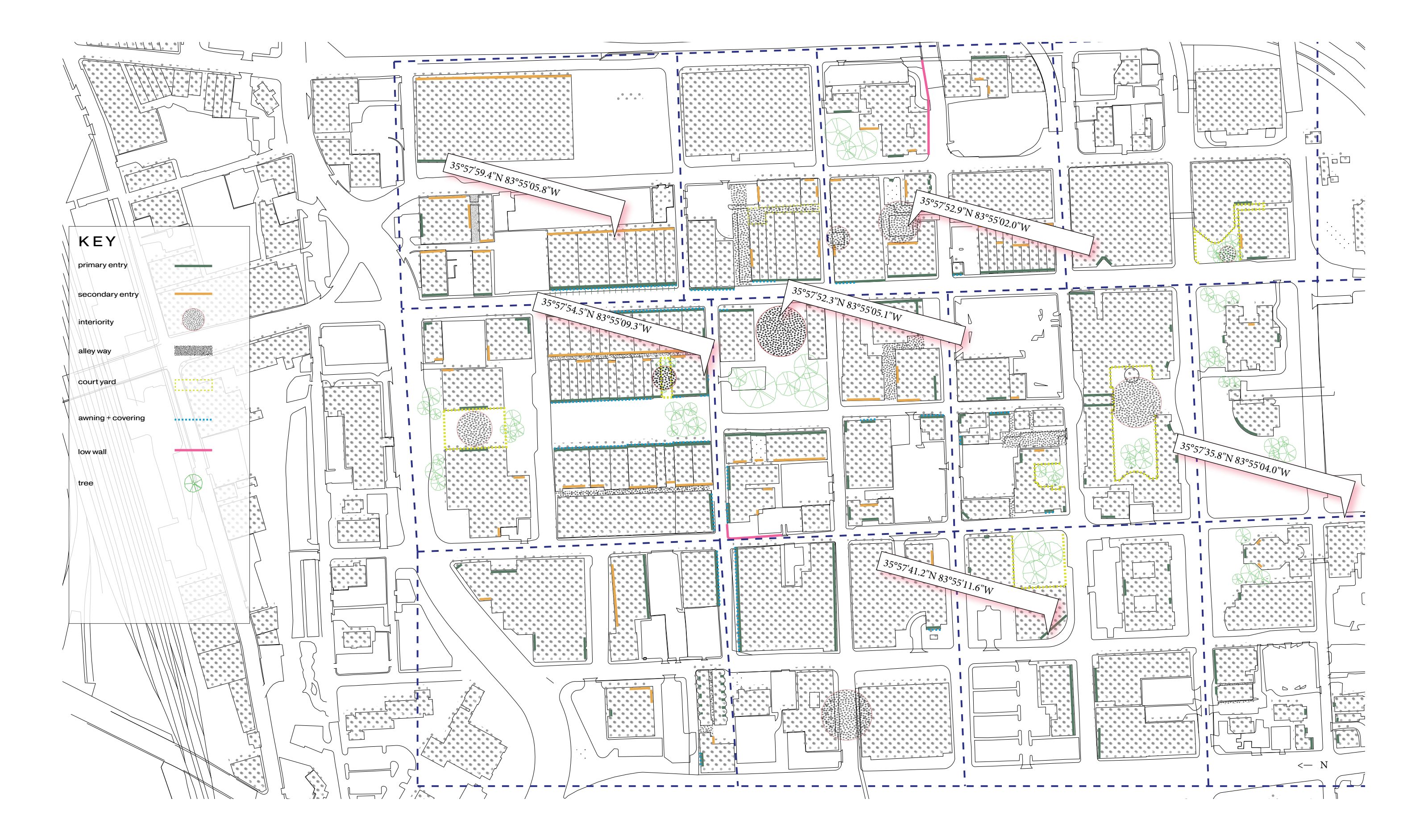
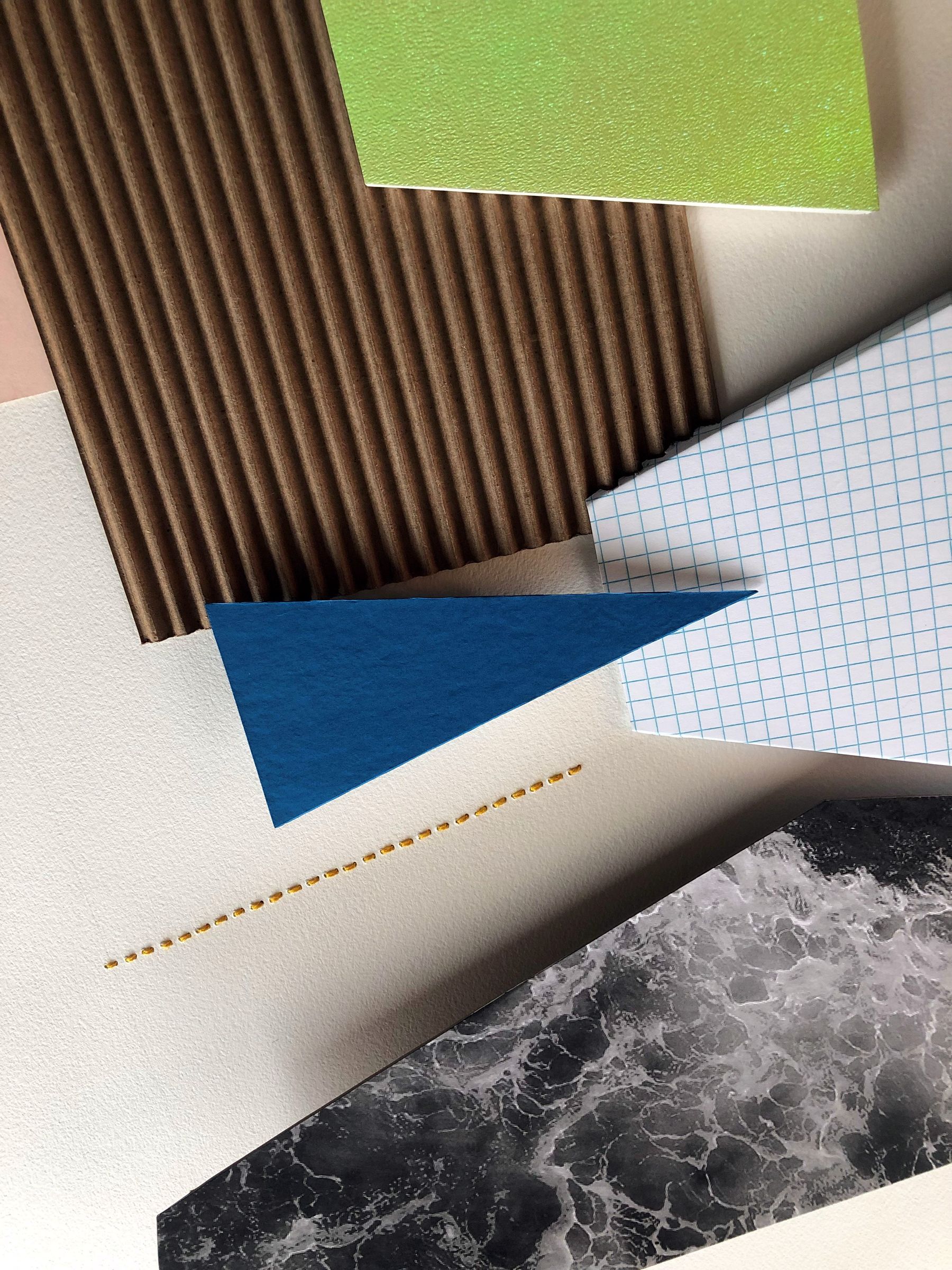
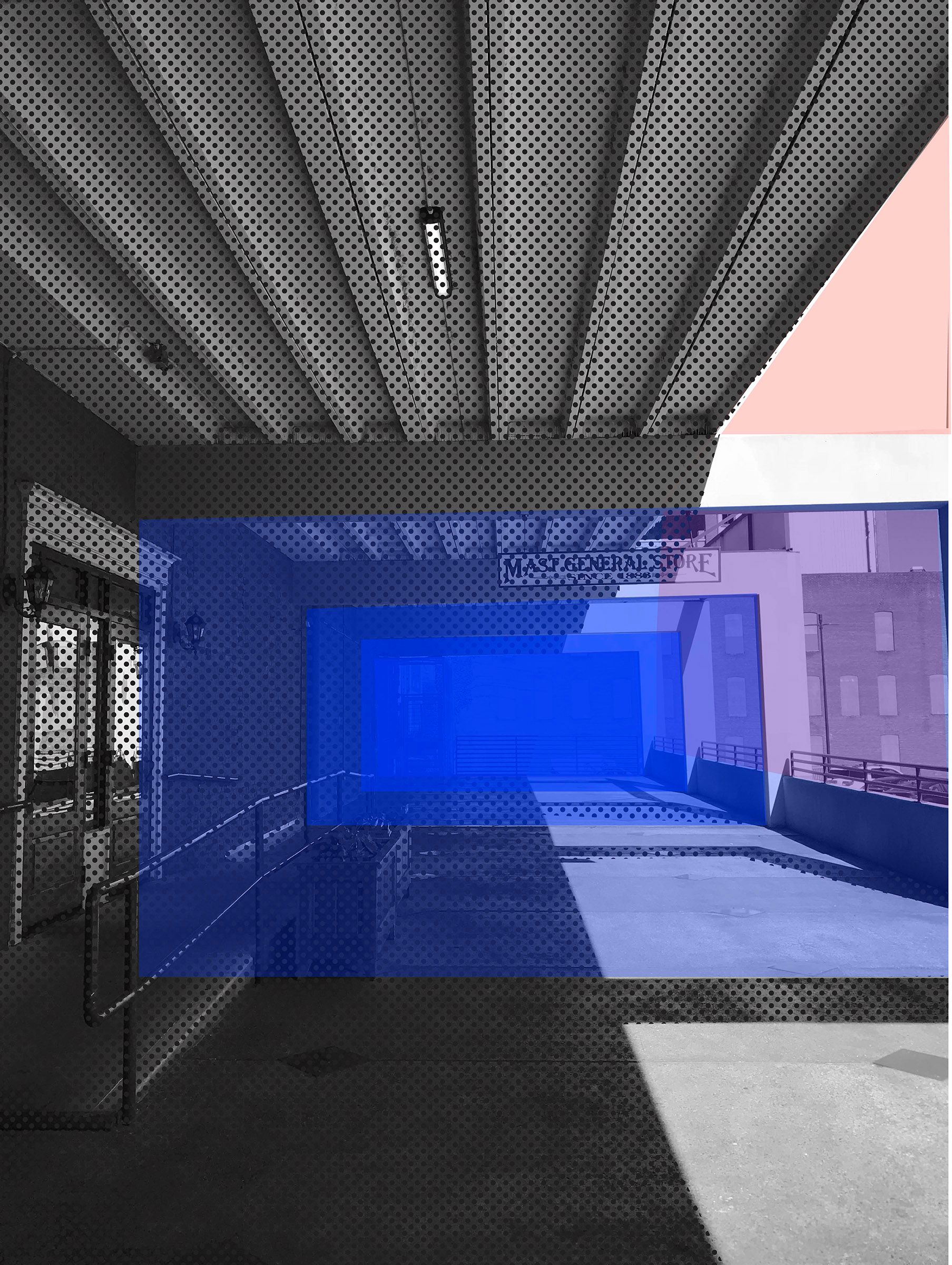
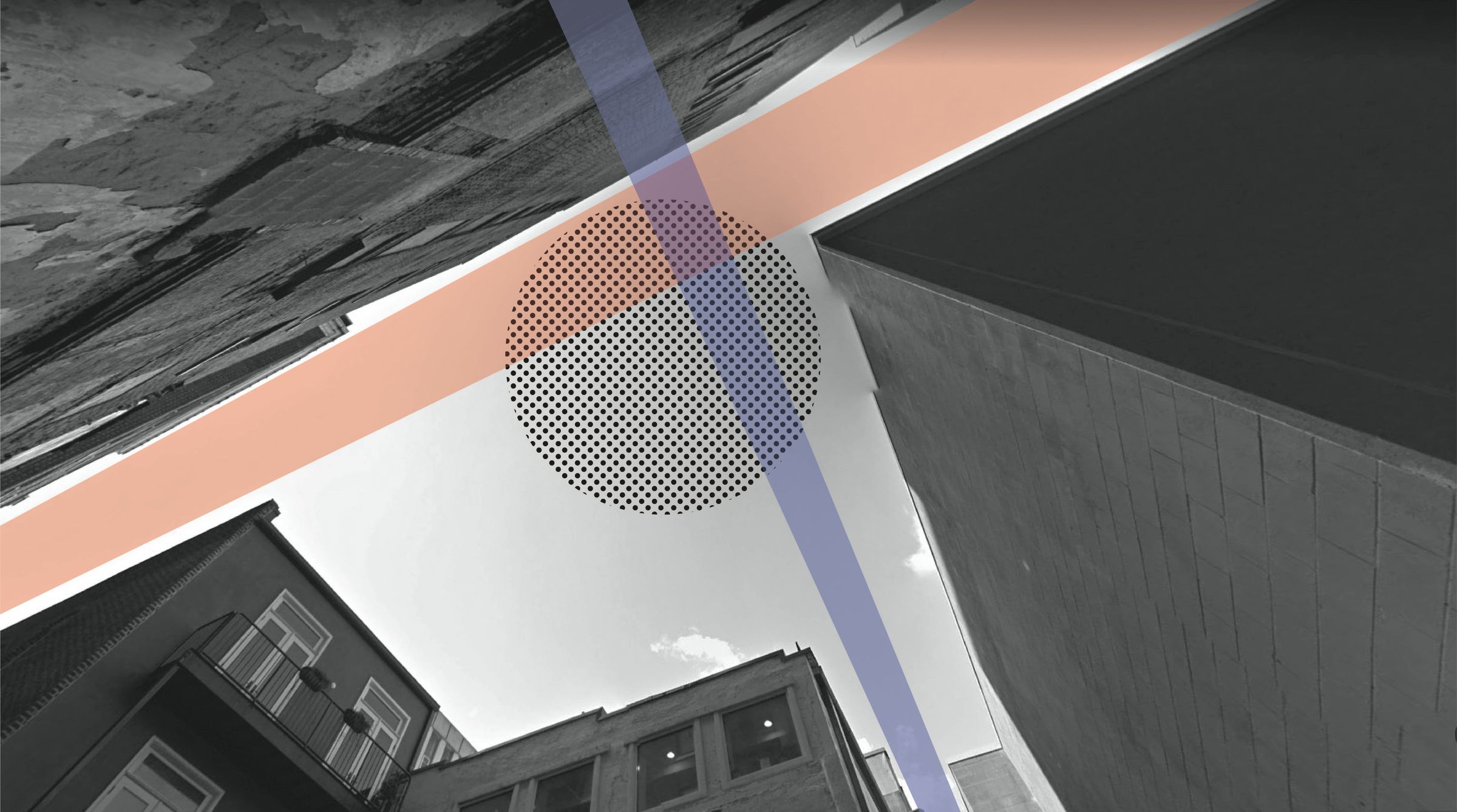
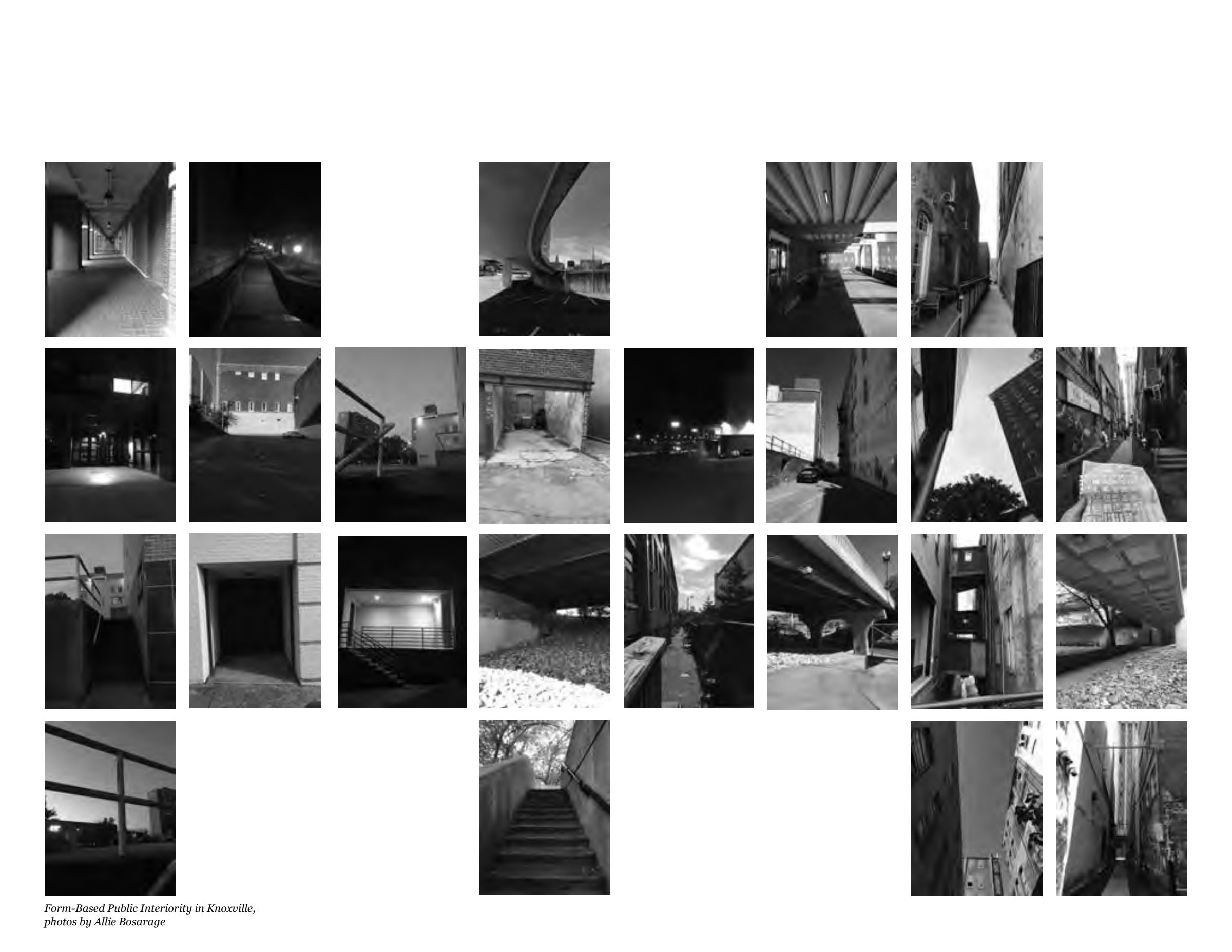
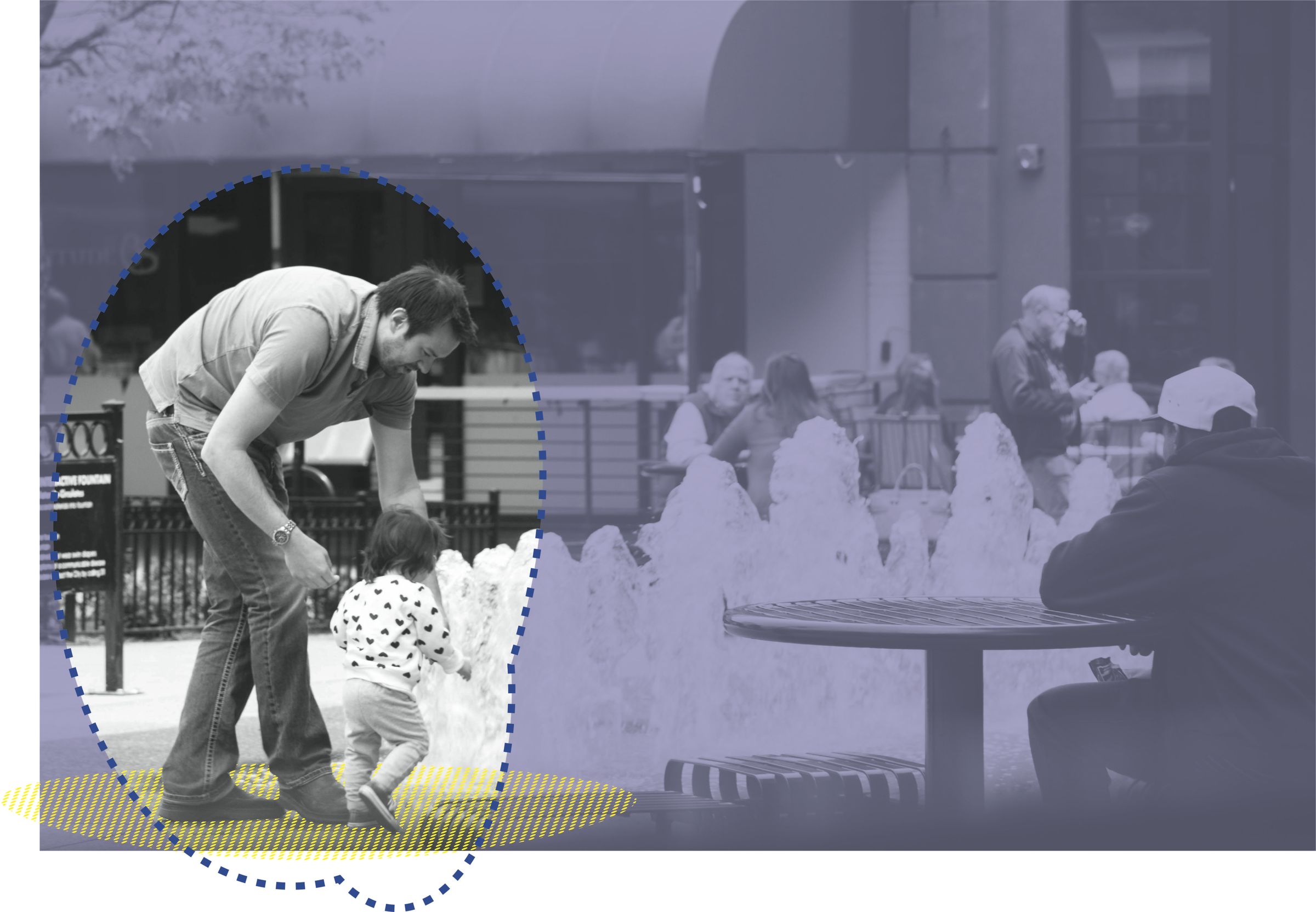
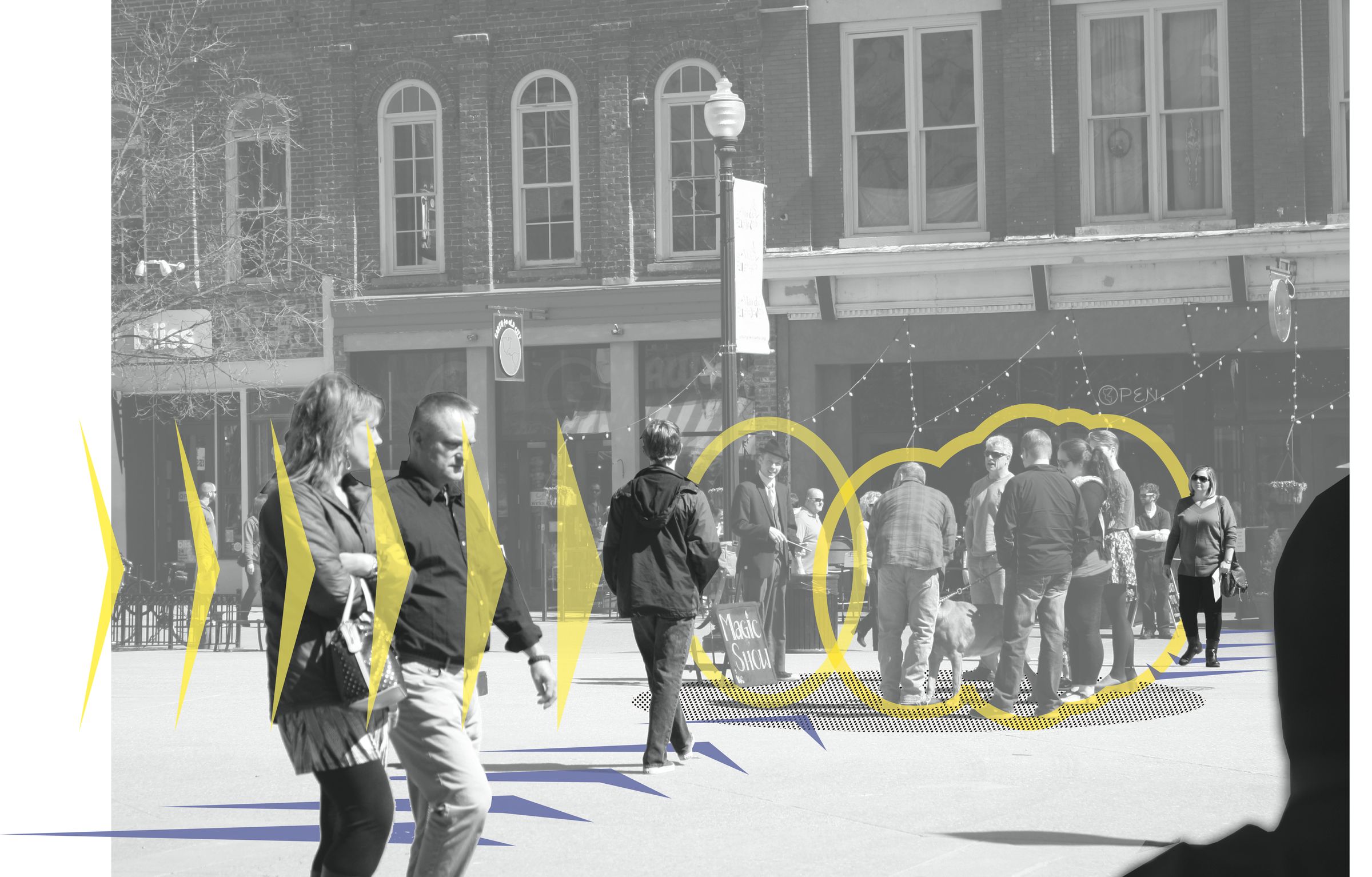
Smaller cities, like Knoxville, Tennessee, offer a scalar complement to metropolises like Jakarta and Accra. This "welterweight" city exemplifies the agile urban conditions of the 21st century and the fluid nature of our contemporary culture. Knoxville's scalar and geographic ambiguity creates a synthetic middle ground uncovered in the city streets and on its neighboring university campus. This mid-sized city generates interstitial interiors via varying (and sometimes contradictory) layers of consciousness and urban juxtapositions. Knoxville’s form-based interiorities intersect with and enrich transient types of public interiority, such as psychological, programmatic, and atmospheric. A hill, given enough altitude, becomes a wall. A bridge, paired with shadow and midday sun, creates an interior room. A low wall shields views of the street. Urban settings like those in downtown Knoxville are anthropometrically scaled and topographic. Building envelopes with varied surfaces often shape form-based public interiorities. The nature of the interior and our proximity to enclosures creates an impression of seclusion in the public realm. In some cases, the forms of the interior-feeling condition are temporary—like the screen of water at the Market Square fountains or the pavilion at a portable winter ice rink. This case study analyzes Knoxville’s found architectural conditions and explains how designers can temporarily modify them to amplify a sense of interiority and lived experience.
Dissemination
“Public Interiority: An Urban Experience, Independent from Architectural Interiors.” In C. Ebert [Ed.], Theorising Interior Design: Identity, Practice, Education. New York: Routledge. ISBN: 9780367469474
“On the Nature of Public Interiority.” Interiority Journal 3 [1], 61–82. doi.org/10.7454/in.v3i1.72
“Public Interiority: Atmospheric + Psychological.” Presentation at Interior Design Educators Council Annual Conference, Virtual.
“Place and Space: Repositioning Collectivity and Interiority.” In C. Pasalar and A. Fox [Eds.], Environmental Design Research Association 47: Shifting Ground [pp.127–132] St. Paul, MN: The Environmental Design Research Association.
“Public Interiority: Atmospheric + Psychological.” Presentation at Interior Design Educators Council Annual Conference, Virtual.
“Public Interiority: An Urban Experience, Independent from Architectural Interiors.” C. Ebert [Chair], Presentation at Interior-Inferior-In Theory? Contemporary Positions in Interior Design Theory Conference, Berlin, Germany: Berlin International University of Applied Sciences.
Public Interiority in America Exhibition at Romanian National Library, Bucharest, Romania. [June 21–24, 2022]
Grants
Major grants for this overall effort are listed below, listed in order of funding amount/significance. Ones with an asterisk require that mention of the project also mentions the grant. Additional grants may be listed in the individual city-chapter folders if the grant was for one city only.
College of Architecture + Design James Johnson Dudley Faculty Scholar, “Public Interiority” *
Office of Research, Innovation + Economic Development EPPE Exhibition Fund, Aggregated total for “Public Interiority Exhibition” at The University of Tennessee, “Design Communications Exhibition” at Auburn University, + “Public Interiority in America Exhibition” at Romanian National Library
Office of Research, Innovation + Economic Development EPPE Exhibition Fund